Mold Damage Repair in North Port, FL
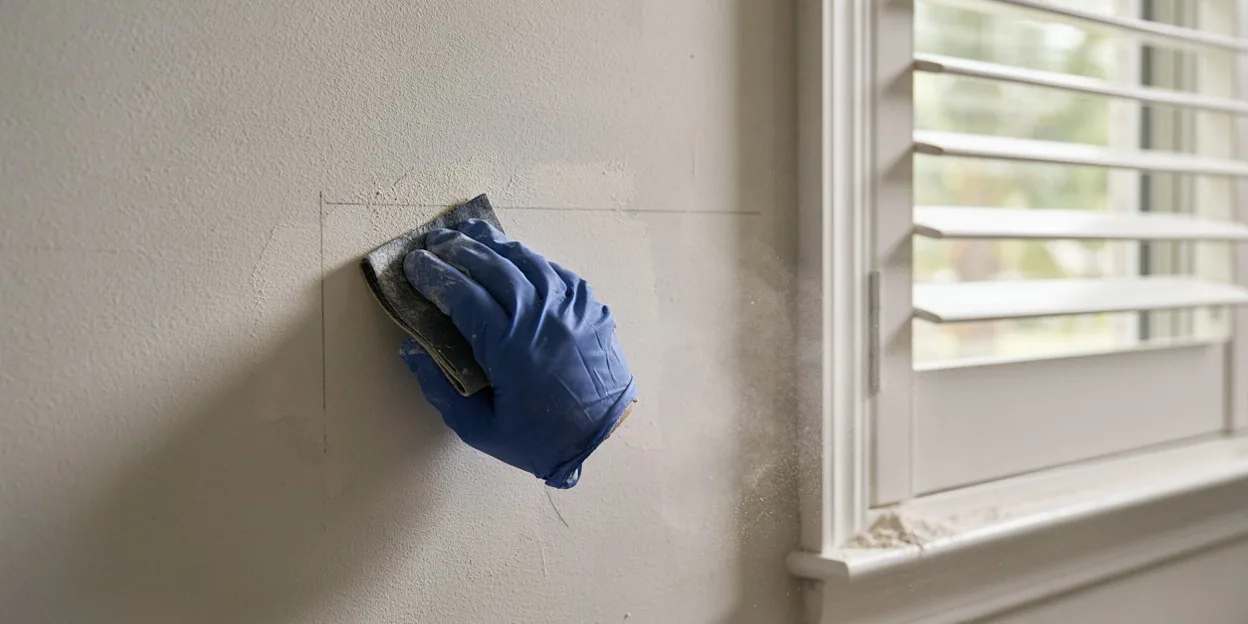
The containment came down last week. The guest room and the hall bath are bare block from the slab to a line four feet up, the vanity is gone, and there is a fan still running in the corner. The mold is handled. Now you are living with open walls and want to know when and how they go back. This site connects you by phone with an independent local provider who does mold damage repair in North Port and across south Sarasota County.
Metering the block one more time before the first screw goes in
Nothing goes back until the block and the slab read dry. The crew meters the exposed wall at several heights and the slab at the base, and compares the numbers to the last readings from the removal. Concrete block in a North Port summer can hold moisture for weeks after the surface looks dry, and drywall hung over damp block is how the same wall grows mold twice.
They also confirm that the cause was fixed. If the water came in under a slider, they look at the new threshold. If it came from a vanity trap, they check the plumbing before the cabinet goes back. If the removal crew and the repair crew are the same company, this is one visit. If not, the repair crew wants the removal scope and the final moisture log before they quote the rebuild.
Keep the fan running and keep the paperwork together
Leave the drying equipment running until the crew says otherwise, even if the room looks done. Do not paint or seal the bare block. Keep the air conditioning on and the door to the room open so it shares the house's dry air.
Gather the removal company's scope, the moisture log, the photos, and any plumber's or roofer's invoice for the source repair. Your adjuster will want the whole sequence, and the rebuild estimate is the last line of that file. Photograph the open walls now, with a tape measure in the frame if you can.
Drywall, then texture, then baseboard, then cabinets, then floor
Furring strips that were removed go back first, then moisture-resistant drywall where the wall sits in a bath or a laundry. The crew tapes and floors the joints, then matches the texture; most North Port houses carry a knockdown or orange-peel finish, and a bad match shows in afternoon light. Primer and paint follow.
Baseboard goes on after paint. The vanity or the lower cabinets are installed after the baseboard so the toe kicks sit tight, and the plumbing is reconnected and tested. Flooring that came out, whether carpet pad or a run of plank, goes in last. If any wall reads wet again during the rebuild, the work stops and it goes back to mold removal. Rooms where the ceiling came out after an attic job are coordinated with attic mold remediation so the insulation is in before the ceiling closes.
Permits, knockdown texture, and matching a 1989 block house
Replacing drywall, moving plumbing, or rewiring an outlet in a rebuilt wall needs a permit from North Port's Development Services office inside city limits, and from Sarasota County or Charlotte County outside them. The contractor who rebuilds pulls it, and the inspection happens before the wall is closed. Reinstalling baseboard and painting do not need one.
Matching matters here. A 1989 GDC-era house has block walls with furring strips and half-inch drywall, often with a heavy knockdown texture, and the window stools and base trim came in a profile that is not always stocked today. Newer homes in Wellen Park have smoother finishes and taller base. Tell the crew the age of the house so they bring the right materials. Florida licenses mold remediators separately from assessors; the rebuild itself is contractor work, and the DBPR search covers both. Many policies pay for rebuild under the water or wind portion of the claim even when mold coverage is capped, so give the adjuster the full sequence.
Calling about walls that are ready to close
Have the address, the age of the house, how many rooms are open, and who did the removal. Say whether the source repair is done and whether the adjuster has been out. Call (941) 420-6510.