Mold Removal in Venice, FL
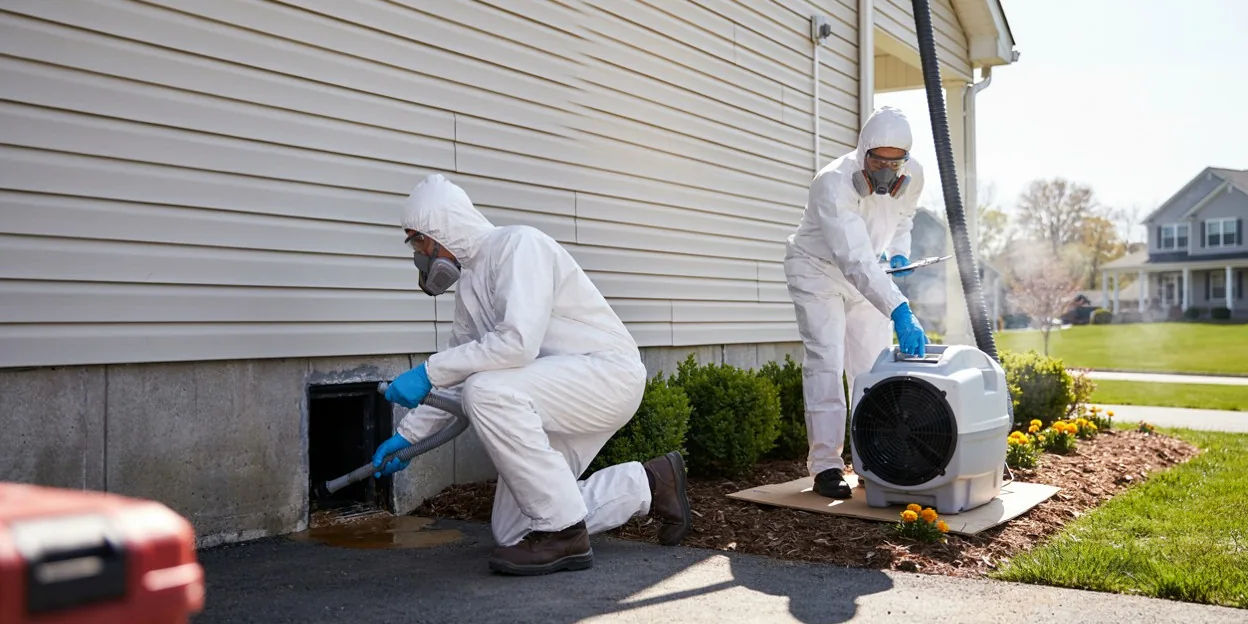
Venice is the planned city John Nolen laid out for the Brotherhood of Locomotive Engineers in the 1920s, and its island core still carries the stucco houses from that decade alongside 1950s and 1960s ranches. Across the Intracoastal on the mainland, the subdivisions off Jacaranda Boulevard and Center Road filled in from the 1970s through the 2000s, mostly block on slab with tile or shingle roofs.
The island houses are the ones that hide water. Ninety-year-old stucco over hollow clay tile or early block has cracks that let wind-driven rain into the wall, and the plaster inside holds it. The mainland ranches have the usual Florida problems: a closet air handler whose drain line backs up, and attics full of flex duct.
Venice homeowners who call us reach an independent mold provider who works the island and the mainland. The provider meters the walls and writes a scope before cutting.
What Venice owners call about most
Old stucco walls that stay damp after a storm lead to mold removal where the plaster or drywall reads wet. The musty smell at the vents in a mainland ranch is HVAC mold cleaning. After a roof opens in a hurricane and the house sits without power, whole-home mold remediation is the call.
Permits on the island and a theatre still rebuilding
Inside city limits, replacing drywall or plumbing after mold removal goes through the city's Building and Code Enforcement Department, which also handles the plan review for historic-district work. Hurricane Ian tore the roof off the Jervey mainstage at Venice Theatre on Tampa Avenue in September 2022, and the company is still raising money to reopen it in 2027, a reminder of how hard the wind hit this part of the coast. Milton's surge in October 2024 then put six to nine feet of water on the beaches from here south.
Call (941) 420-6510 now and tell us whether you are on the island or the mainland and what you see. A local mold provider serving Venice takes it from there.
Services Available in Venice
Mold Removal
Containment, negative air, and removal of wet drywall, trim, and insulation from a North Port block house, then cleaning and drying of what stays.
Black Mold Removal
Dark growth handled under full containment and protective gear. Color does not name the species, and the steps do not change.
Whole-Home Mold Remediation
Room-by-room containment and removal after storm water, weeks without power, or a house closed up through a wet summer.
HVAC Mold Cleaning
Air handler, coil, drain pan, and duct cleaning when the musty smell arrives every time the air conditioning cycles on.
Bathroom Mold Removal
Growth on ceilings, in grout, behind vanities, and inside wet drywall from steam and slow leaks, the most common first call.
Attic Mold Remediation
Roof-deck and truss mold from lifted shingles, blocked soffits, and flex duct sweating in a hot North Port attic.
Mold Odor Removal
Tracing a musty smell to the wet material behind it, removing that material, and clearing the air instead of masking it.
Mold Damage Repair
Drywall, baseboard, insulation, and cabinet bottoms rebuilt after removal, with the water source fixed before anything closes up.