Mold Removal in Port Charlotte, FL
Port Charlotte is North Port's twin to the south, platted by the same General Development Corporation in the late 1950s on the Charlotte County side of the line, with its own grid of canals running to Charlotte Harbor and the Peace River. Most of its houses are block ranches from the 1970s through the 2000s on quarter-acre lots, many on canals, a good share of them manufactured homes in parks near the harbor.
Hurricane Charley crossed Charlotte Harbor in August 2004 and tore roofs off here by the thousand. Ian did it again on September 28, 2022, and the surge that came up the harbor flooded the waterfront streets. Houses that were reroofed after Charley and reroofed again after Ian often have attic insulation that was wet twice.
Port Charlotte homeowners who call us reach an independent mold provider who works Charlotte County. That provider meters the attic and the walls before writing anything down.
What Port Charlotte calls look like
Two storms' worth of roof damage makes attic mold remediation the common call. Canal-front ranches that took surge water need mold removal along the base of the block. Dark growth found behind a washer or a water heater in a garage that flooded is handled as black mold removal.
Harbor water, county water, and a regional supply
Most of Port Charlotte drinks water from Charlotte County Utilities, which also runs the sewer system and a round-the-clock line for water and sewer emergencies. That water, in turn, comes largely through the Peace River Manasota Regional Water Supply Authority, which has served Charlotte, DeSoto, Manatee, and Sarasota counties since 1991 and treats river water from the Peace. A crew tracing a wet slab in Port Charlotte asks whether the house is on county water or a well first, because the answer changes where they look.
Call (941) 420-6510 now and tell us what you see or smell. We put you through to a mold provider who works Port Charlotte.
Services Available in Port Charlotte
Mold Removal
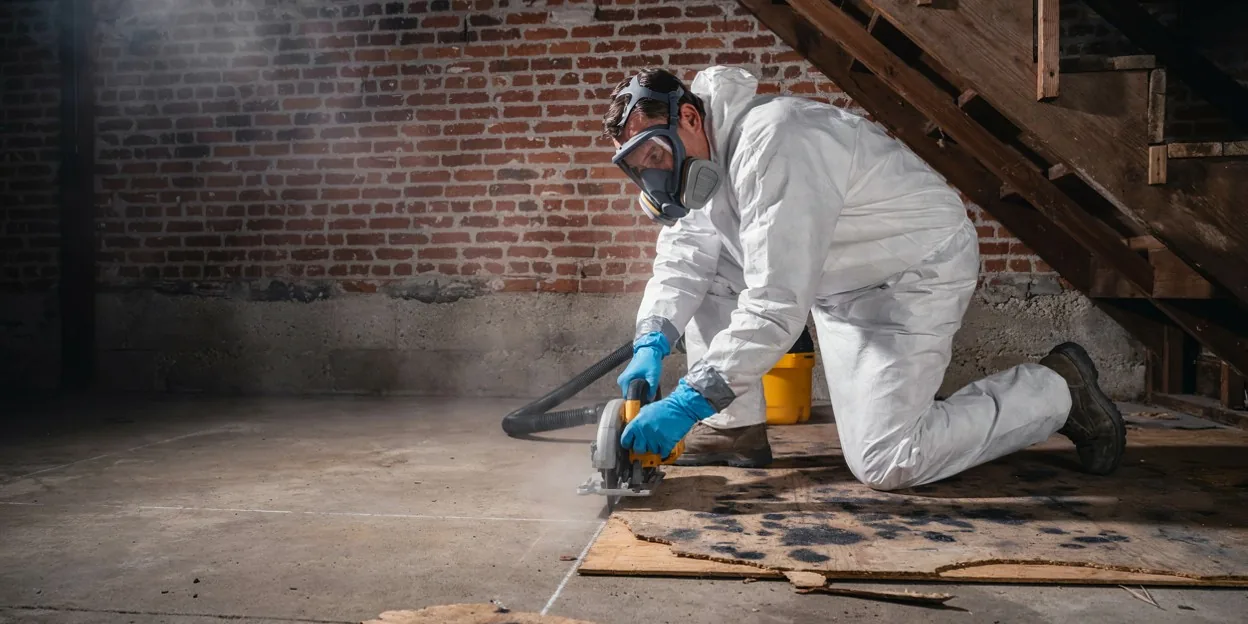
Containment, negative air, and removal of wet drywall, trim, and insulation from a North Port block house, then cleaning and drying of what stays.
Black Mold Removal
Dark growth handled under full containment and protective gear. Color does not name the species, and the steps do not change.
Whole-Home Mold Remediation
Room-by-room containment and removal after storm water, weeks without power, or a house closed up through a wet summer.
HVAC Mold Cleaning
Air handler, coil, drain pan, and duct cleaning when the musty smell arrives every time the air conditioning cycles on.
Bathroom Mold Removal
Growth on ceilings, in grout, behind vanities, and inside wet drywall from steam and slow leaks, the most common first call.
Attic Mold Remediation
Roof-deck and truss mold from lifted shingles, blocked soffits, and flex duct sweating in a hot North Port attic.
Mold Odor Removal
Tracing a musty smell to the wet material behind it, removing that material, and clearing the air instead of masking it.
Mold Damage Repair
Drywall, baseboard, insulation, and cabinet bottoms rebuilt after removal, with the water source fixed before anything closes up.