Mold Removal in Arcadia, FL
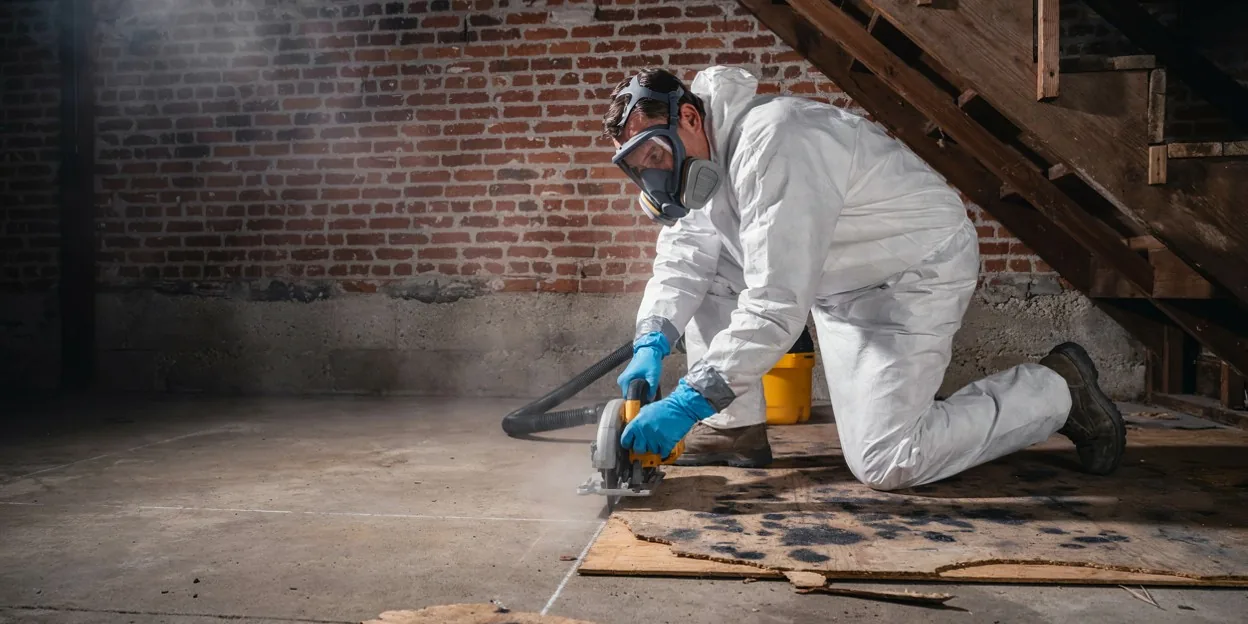
Arcadia is the DeSoto County seat, an hour inland from North Port at the crossroads of U.S. 17 and State Road 70, with a historic downtown known for its antique district and a championship rodeo every March. Its houses are older than the coast's: wood-frame bungalows from the 1910s and 1920s near downtown, block homes from the 1950s through the 1980s on the edges, and manufactured homes on acreage out in the county.
The Peace River is the moisture story. After Hurricane Ian stalled over the region in September 2022, the river rose for days and flooded homes, roads, and bridges across DeSoto County, cutting Arcadia off until the water went down. Houses that took river water sat wet for a week or more while the roads were closed, and many of them were older frame homes that soak it up.
Arcadia homeowners who call us reach an independent mold provider who travels to DeSoto County. The provider meters the walls and floors before writing a scope.
What Arcadia homes need after the river
River-flooded frame houses call for mold removal up to the water line and often above it, and for mold odor removal when the smell outlasts the visible stain. Manufactured homes that took water underneath need the belly board and the floor read before anything else. Once everything is dry, mold damage repair rebuilds walls and floors.
County seat, antique district, river town
The City of Arcadia handles code enforcement and planning inside city limits, with building permits running through DeSoto County, and the provider pulls them when the rebuild requires one. Downtown's antique shops fill the old brick storefronts along Oak Street, and the monthly antique fair brings the coast inland on the fourth Saturday. Those same old buildings, and the bungalows around them, are the ones that hold water longest after the Peace comes up.
Call (941) 420-6510 now and tell us whether the house took river water and when. We put you through to a mold provider who works Arcadia.
Services Available in Arcadia
Mold Removal
Containment, negative air, and removal of wet drywall, trim, and insulation from a North Port block house, then cleaning and drying of what stays.
Black Mold Removal
Dark growth handled under full containment and protective gear. Color does not name the species, and the steps do not change.
Whole-Home Mold Remediation
Room-by-room containment and removal after storm water, weeks without power, or a house closed up through a wet summer.
HVAC Mold Cleaning
Air handler, coil, drain pan, and duct cleaning when the musty smell arrives every time the air conditioning cycles on.
Bathroom Mold Removal
Growth on ceilings, in grout, behind vanities, and inside wet drywall from steam and slow leaks, the most common first call.
Attic Mold Remediation
Roof-deck and truss mold from lifted shingles, blocked soffits, and flex duct sweating in a hot North Port attic.
Mold Odor Removal
Tracing a musty smell to the wet material behind it, removing that material, and clearing the air instead of masking it.
Mold Damage Repair
Drywall, baseboard, insulation, and cabinet bottoms rebuilt after removal, with the water source fixed before anything closes up.